Top Causes of DEF Heater and Pump Failures & How to Prevent Them
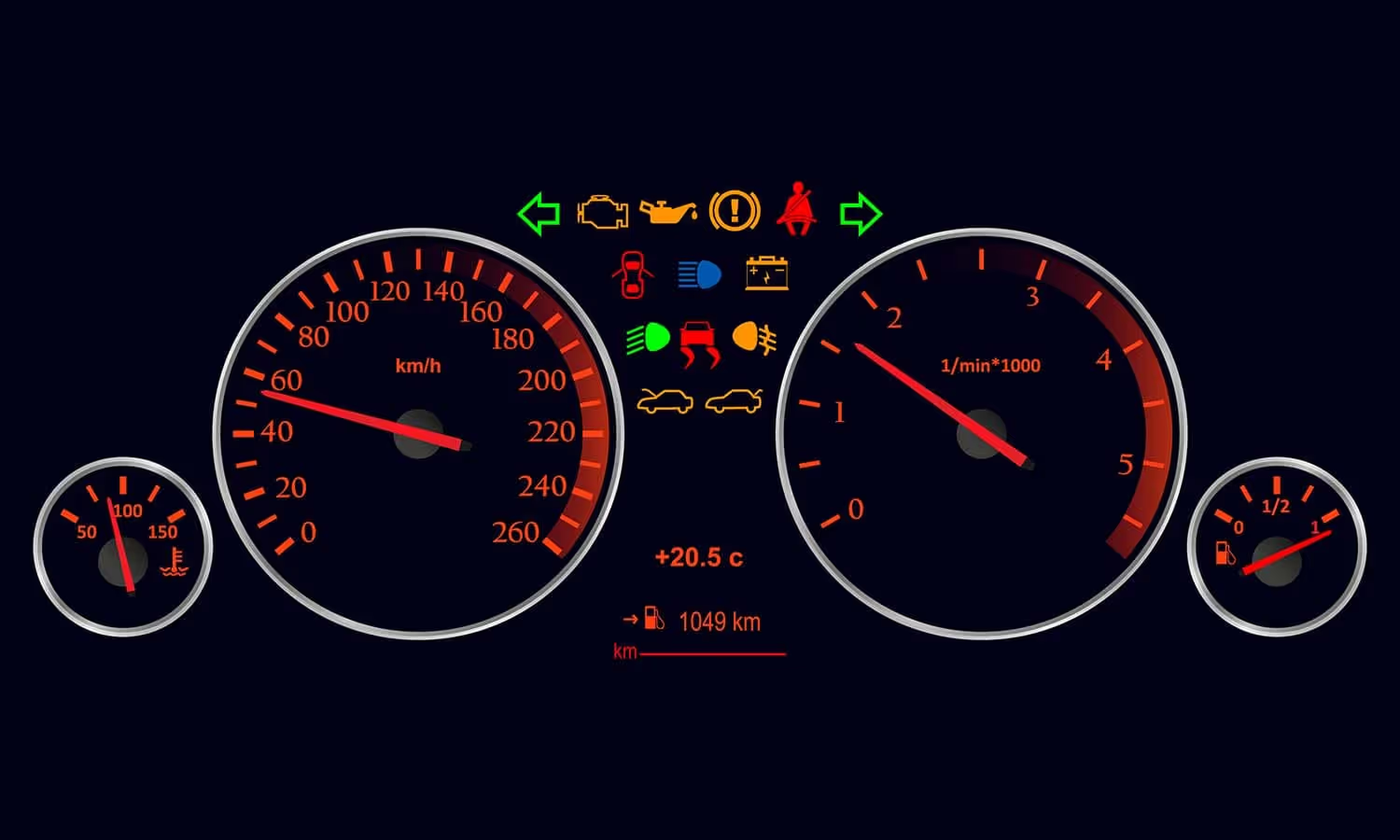
A DEF warning doesn't always mean the tank is low. The truck might have plenty of fluid but still be unable to warm it, build pressure, or deliver it into the exhaust. Before buying a pump or heater, we want to know which part of that process has stopped working.
What the DEF Pump and Heater Actually Do
Diesel exhaust fluid is a mixture of 32% high-purity urea and 68% deionized water. The pump sends it from the tank to a dosing valve, which sprays it into the exhaust for selective catalytic reduction, or SCR. That reaction reduces nitrogen oxide emissions. The DEF stays separate from the diesel fuel.
The heater has a different job. DEF freezes at about 12°F, and the truck is designed to thaw enough fluid for dosing after a cold start. Some trucks use electric heaters in the tank and lines. Other arrangements use engine coolant to warm the tank. Knowing which setup the truck has changes what we test.
1. Contaminated DEF Damages Pumps and Dosing Valves
A funnel that previously held diesel fuel or coolant can contaminate an entire tank of DEF. Dirt introduced during filling can block filters and damage the pump or dosing valve. Chemical contamination is harder to spot, and pouring fresh fluid on top won't remove it. A tank that has received the wrong liquid needs service before more fluid circulates.
For refills, use API-certified DEF that meets ISO 22241 and keep the filling equipment dedicated to DEF. Clean dirt away from the filler opening before removing the cap. Don't use an old oil jug to carry spare fluid. Even a container that looks clean can leave residue behind.
2. DEF Crystals Build Up Around Leaks and Restricted Lines
White crust forms where spilled DEF dries. Around the filler, that might be residue from a messy refill. Recurring deposits along a hose connection or underneath the tank point to a leak. Deposits inside a line or dosing valve interfere with fluid delivery and can leave the pump unable to build or maintain pressure.
Why do the crystals keep returning after they're wiped away? Cleaning the outside hasn't fixed the leak. We check the connections and line routing, then test pressure and dosing. Scraping deposits off exposed fittings won't clear a blocked internal passage, and adding water to the tank changes the fluid's concentration.
3. Wiring Problems Look Like DEF Heater or Pump Failure
A failed heater element is one possibility, but damaged wiring creates the same warning. Under a truck, connectors face water and road debris. Wires rub against brackets, terminals corrode, and a poor connection stops the heater or pump from receiving the power it needs.
During testing, we check power and ground under load, inspect the connectors, and compare heater current or resistance with the truck's service information. We also check the temperature sensor reading against actual conditions. Replacing the tank assembly won't repair a damaged wire outside it.
4. Interrupted DEF Purge Cycles Leave Fluid in the Lines
On designs that purge after shutdown, the pump runs briefly after the key is turned off to draw DEF back from the delivery line. Hear a short whirring noise after parking? That can be normal. Cutting battery power immediately interrupts the process on trucks that depend on it.
Follow the manufacturer's shutdown instructions before using a battery disconnect. The required wait varies by truck. If the purge isn't working, we check its electrical controls and fluid path. A failed valve or blocked line needs repair so the truck can empty those passages as intended.
5. Normal Wear and Cold Weather Expose DEF Faults
Pump motors wear out, seals leak, and heaters eventually fail. Good filling habits reduce avoidable damage, but they don't prevent every failure. Cold weather often reveals a heater fault that went unnoticed during warm driving. The problem becomes obvious when the truck needs heat to thaw the fluid, and the heater doesn't respond.
Frozen DEF alone doesn't mean anything is broken. Leave room for expansion by following the filling instructions, and let the truck's heaters do their job. Never add antifreeze or use an open flame to thaw the tank. Even for a truck based in Southern California, a trip into freezing weather can expose a heater problem.
DEF Maintenance That Reduces Repeat Failures
Is every low-pressure warning a worn-out pump? A restricted filter, leaking line, or inaccurate pressure reading needs to be ruled out first. We command the pump on, watch pressure build, and check what happens during dosing and shutdown. Filter replacement follows the schedule for that particular engine, since some filters are serviceable and others are built into an assembly.
Store spare DEF sealed and out of direct sunlight, following the container's temperature and shelf-life guidance. Keep receipts for recent refills if a warning starts afterward. The timing helps us decide when to take a fluid sample and check for contamination.
DEF Heater and Pump Repair at California Coast Truck Repair
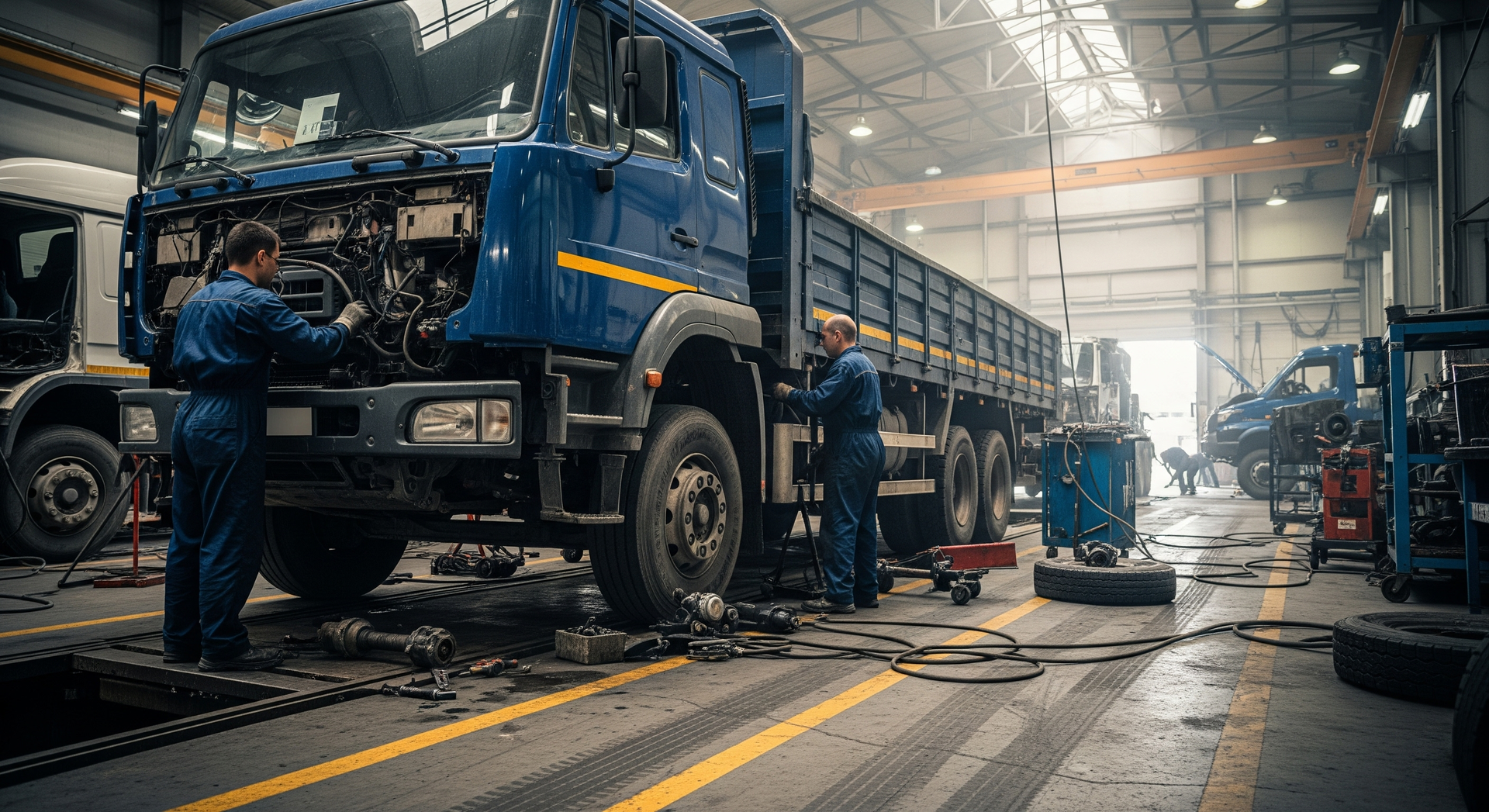
If your truck keeps showing a DEF heater, pressure, or dosing warning, California Coast Truck Repair in Santee, CA, can check the fluid, electrical connections, and delivery operation. Note the exact message and when it appears, especially if it began after a refill or a cold-weather trip.
Arrange a DEF repair appointment before the warning interrupts your next trip or workday.