Check Engine Light On Before the California Smog Check? What You Should Do First
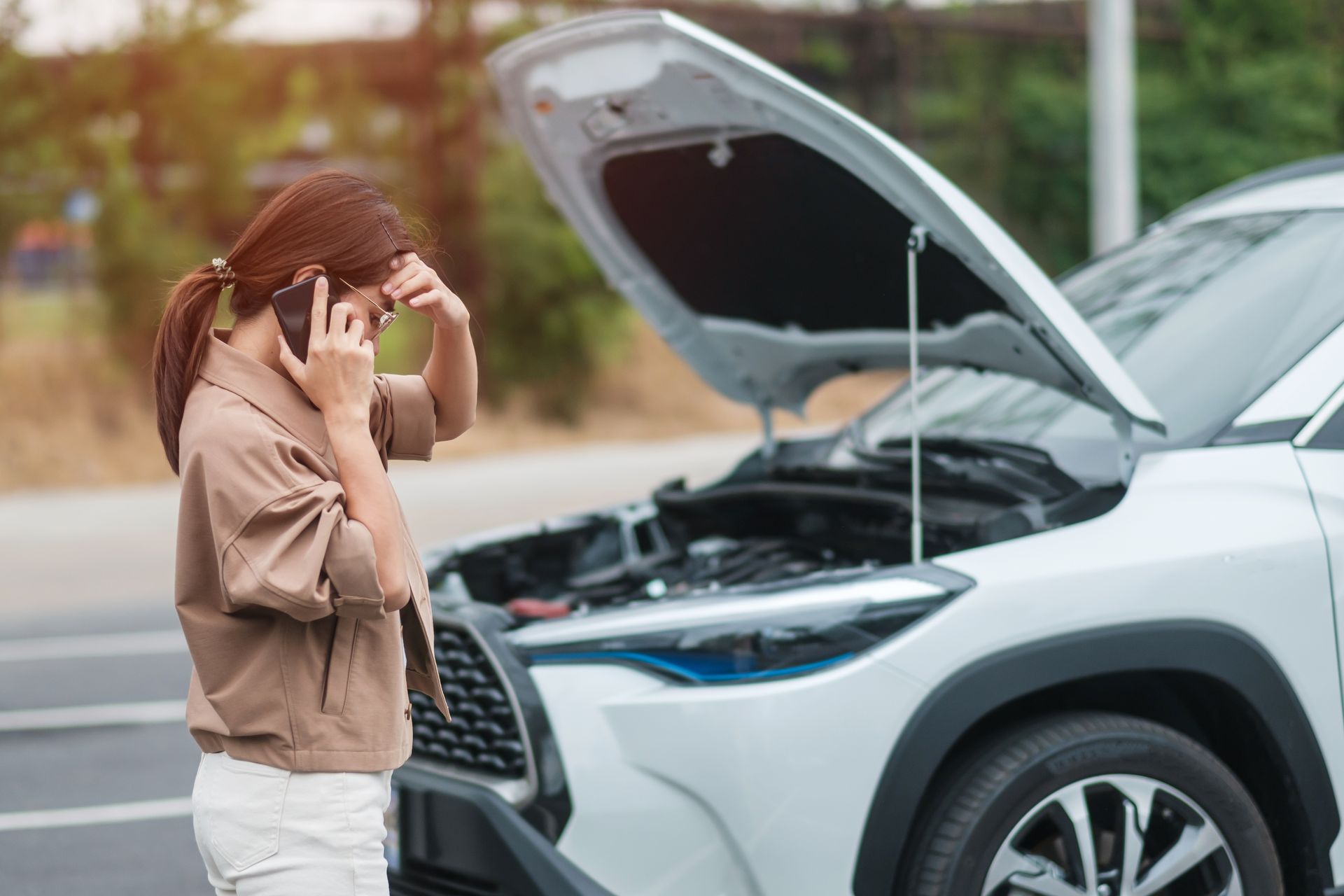
Seeing the check engine light a few days before a California Smog Check can put you in a bind, especially if your registration deadline is close. The car may still start, idle, and drive normally, which makes it tempting to take the test anyway and hope it passes.
That is usually wasted time. California's Bureau of Automotive Repair states that a vehicle will not pass a Smog Check with the check engine light on. The better move is to find out why the engine computer turned the light on, repair the actual problem, and make sure the emissions system is ready before returning for the official test.
Check Engine Light On Usually Means You Are Not Ready for the Test
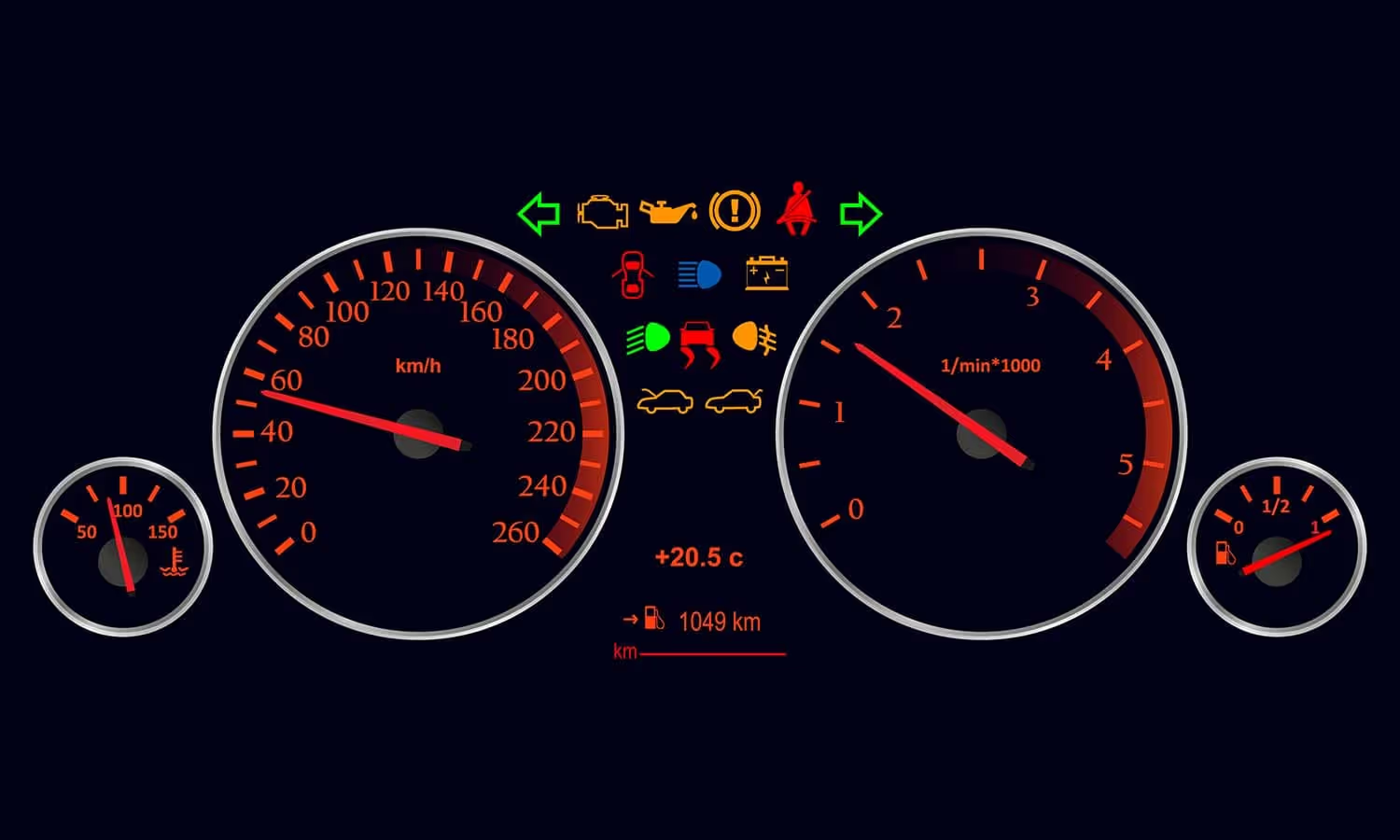
The check engine light, also called the malfunction indicator lamp, comes on when the vehicle's computer detects a problem that can affect emissions. That could involve an oxygen sensor, catalytic converter, evaporative emissions leak, fuel-control problem, misfire, or one of many other monitored circuits.
The light itself doesn't tell us which part needs replacing. A stored trouble code tells us which system detected a fault, but testing still determines the cause. California BAR specifically advises motorists to have an illuminated check engine light repaired before a Smog Check.
Do Not Clear Codes Just Before the Smog Check
Clearing trouble codes with a scan tool or disconnecting the battery can turn the light off temporarily, but it also resets emissions readiness information. The dashboard may look better because the computer can no longer show that its self-tests have completed.
If the original fault is still present, the light can return as soon as the affected monitor runs again. Even after a successful repair, the vehicle usually needs driving time before its onboard monitors complete. Clearing codes right before the inspection can therefore create a second reason the vehicle is not ready.
Find the Cause Before Replacing Parts
A trouble code is a starting point, not a parts order. For example, an oxygen-sensor code can be caused by a failed sensor, but it can also appear because of an exhaust leak, wiring problem, fuel mixture issue, or another condition that pushes the sensor reading outside its expected range.
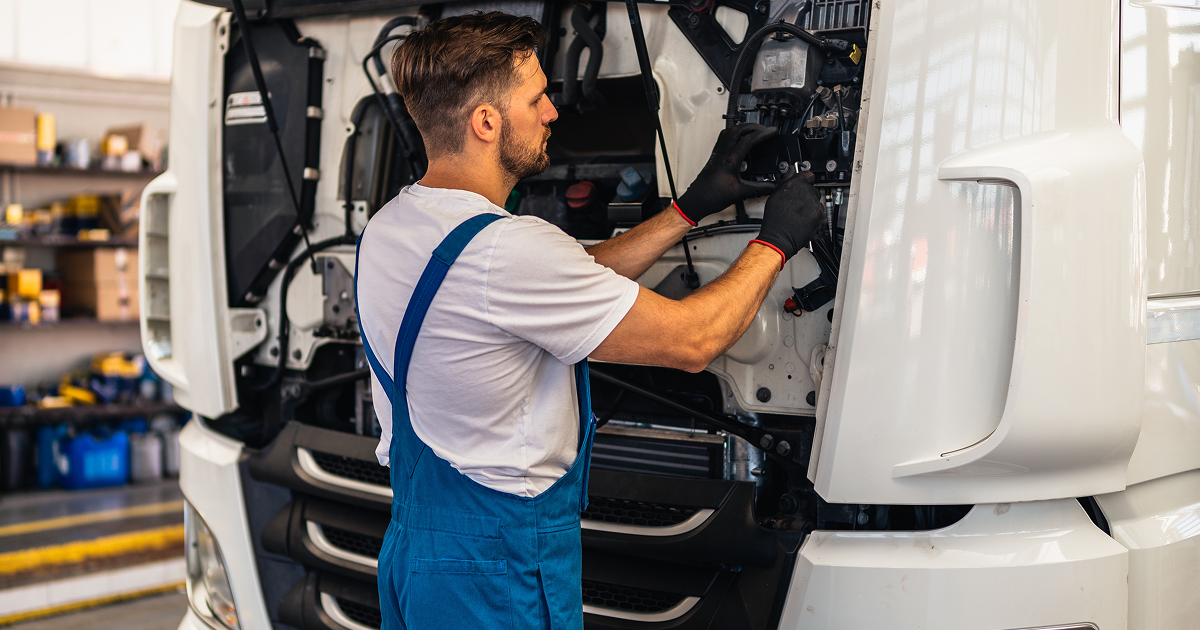
At our shop, we perform the appropriate engine and emissions diagnostic, review live data, check the affected circuit, and test related components. Once that work establishes a diagnosis, the repair can target the actual failure. That approach is far better than replacing whatever part the code description names and hoping the light stays off.
Readiness Monitors Need to Complete After Repair
The onboard computer runs a series of emissions self-tests known as readiness monitors. They check systems such as the catalytic converter, oxygen sensors, evaporative emissions system, and other emissions controls as the vehicle experiences the required operating conditions.
After codes are cleared or battery power is lost, those monitors have to run again. Some complete quickly, while others need certain combinations of engine temperature, speed, load, fuel level, and drive time. California BAR notes that monitor completion depends on specific operating conditions and that monitors must rerun after events such as battery disconnection or emissions repairs.
Permanent Codes Can Remain After the Light Goes Out
On applicable 2010 and newer vehicles, California also checks for permanent diagnostic trouble codes. These differ from ordinary stored codes because you can't simply erase them with a scan tool or by disconnecting the battery.
The vehicle's own OBD system must verify that the problem has been corrected. Under current BAR rules, an applicable vehicle can fail for a permanent code even if the check engine light is off. However, BAR provides specific mileage and warm-up-cycle criteria under which the permanent code can be ignored for the test.
Give the Car Time to Verify the Repair
After the repair, don't assume one trip around the block means the vehicle is ready. We can check the monitor status before you go for the official Smog Check and see whether the computer has completed the required self-tests.
This is also why regular maintenance helps. Worn ignition parts, vacuum leaks, fuel-control problems, and other developing issues are easier to address before the registration deadline is staring you in the face. If the check engine light is flashing rather than steadily illuminated, have the vehicle checked promptly because an active misfire can damage the catalytic converter.
Get Check Engine Light and Smog Check Help In Santee, CA, With California Coast Truck Repair
If your check engine light is on before a California Smog Check, California Coast Truck Repair in Santee, CA, can check the stored faults, test the affected emissions systems, complete the needed repair, and verify readiness afterward.
Have the warning checked before the official test so you don't pay for a Smog Check that the vehicle is already unlikely to pass.