Why Is an Oil Change the Perfect Time for a Preventive Maintenance Inspection?
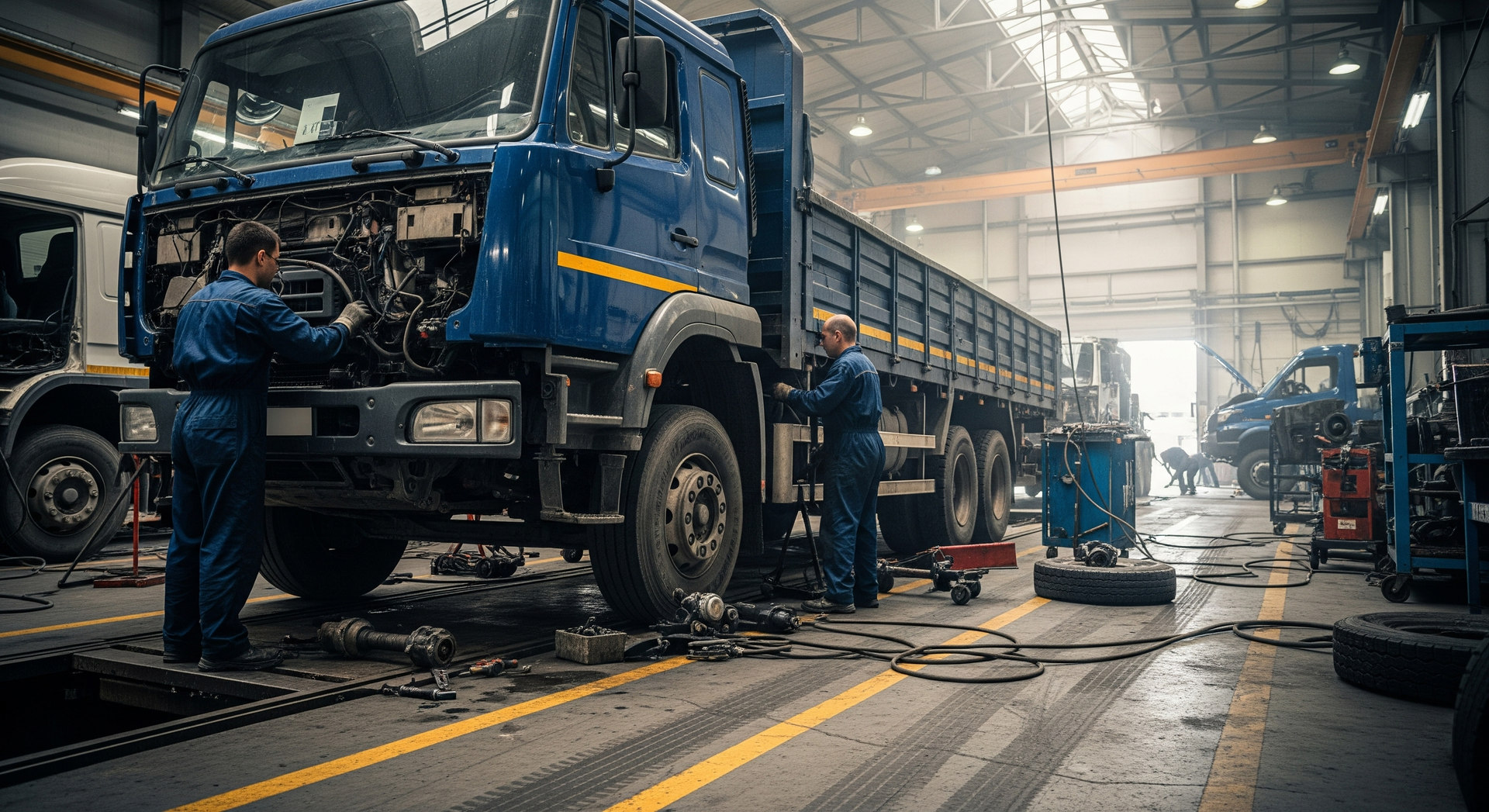
An oil change may seem like a simple service, but it creates a useful opportunity to check the condition of several other vehicle systems at the same time. Since the vehicle is already in the shop and often raised on a lift, technicians can see components that are difficult for drivers to inspect at home.
A preventive maintenance inspection during an oil change can reveal fluid leaks, tire wear, damaged belts, worn hoses, brake concerns, and other developing problems before they become more expensive or leave the vehicle out of service. The goal is not to replace parts unnecessarily. It is to identify changes early enough that repairs can be planned instead of becoming emergencies.
The Vehicle Is Already in the Best Position for Inspection
Many important components are underneath the vehicle, where they are difficult to see from the driveway. During an oil change, the vehicle is usually raised high enough for technicians to look at the engine, transmission, steering, suspension, exhaust, brakes, and underbody.
That access can reveal problems that may not produce any obvious driving symptoms yet. A small oil leak, deteriorating CV boot, damaged exhaust hanger, or wet shock absorber can be easier to notice when the vehicle is lifted and properly illuminated.
Fluid Leaks Are Easier to Catch Early
Changing the engine oil gives technicians a good reason to look closely around the oil pan, drain plug, filter, filter housing, and surrounding engine components. Fresh leaks may appear as damp areas, small drips, or residue collecting dirt.
Other fluids can be checked at the same time. Coolant, transmission fluid, brake fluid, power steering fluid on applicable vehicles, and differential or transfer case lubricants may all leave clues when something starts leaking. Finding the source early can help prevent a small seep from becoming a low-fluid condition.
Tires Can Tell You More Than Their Tread Depth
A quick look at the tires should include more than checking whether there is tread left. Wear patterns can reveal alignment, suspension, pressure, or rotation concerns before the tires become badly damaged.
Technicians may notice:
- Wear concentrated on one shoulder
- Feathering across the tread
- Cupping or scalloped wear
- Low tire pressure
- Cracks or sidewall damage
- Nails or other embedded objects
These patterns are useful because the vehicle may still drive normally while the tires are wearing unevenly. Correcting the cause sooner can help protect the remaining tread.
Brake Condition Can Be Reviewed While the Vehicle Is Raised
An oil change does not replace a complete brake service inspection, but it can provide an opportunity to look for obvious problems. Depending on the vehicle and wheel design, technicians may be able to see pad thickness, rotor condition, brake hoses, calipers, and signs of fluid leakage.
Uneven wear can be especially important. If one pad is much thinner than the others, the problem may involve a sticking caliper, seized hardware, or another mechanical issue. Catching that pattern before the pad wears completely through can prevent additional brake damage.
Belts and Hoses Deserve Regular Attention
Engine belts and coolant hoses are exposed to heat every time the vehicle runs. Over time, belts can lose material, become contaminated, or develop edge damage, while hoses may harden, swell, crack, or begin leaking around their connections.
During regular maintenance, technicians can compare their condition from one visit to the next. A hose that showed minor aging during the previous service may now have a bulge or dried coolant around the fitting. That progression can be more useful than waiting until the hose actually fails.
Suspension and Steering Problems May Show Up Early
Suspension and steering wear often develops gradually. Drivers may adapt to small changes in steering response or ride quality without realizing that a component has started wearing.
With the vehicle on a lift, technicians can look for torn bushings, leaking shocks or struts, damaged ball joint boots, worn tie rod components, broken sway bar links, or unusual looseness. An inspection can also help explain tire wear that might otherwise be blamed only on alignment.
Battery and Electrical Checks Can Prevent Surprises
A battery can become weak without giving much warning, especially as it gets older. Corroded terminals, loose connections, damaged cables, or a battery that tests below expected capacity can be caught during routine service.
Exterior lights and wipers can also be checked quickly. A failed brake light or worn wiper blade may seem minor compared with engine work, but both affect visibility and safety. Oil-change visits provide a convenient reminder to check these items regularly.
Small Problems Are Easier to Plan for Than Breakdowns
One of the biggest advantages of preventive inspection is having time to decide what needs attention first. A small coolant seep may be monitored for a while, while a badly worn tire or loose steering component may need more immediate repair.
Knowing about these conditions early helps with budgeting and scheduling. It also reduces the chance that several neglected items will all demand attention at the same time. Preventive maintenance does not eliminate every unexpected failure, but it gives you a better chance of catching problems while they are still manageable.
An Oil Change Should Still Focus on Correct Engine Protection
The inspection is valuable, but the oil service itself remains important. The engine should receive the correct viscosity and oil specification along with a suitable filter designed for the service interval.
Topping off low oil between visits does not replace changing it. Old oil still contains contaminants and depleted additives, even after fresh oil has been added. Keeping the level correct and replacing the oil and filter on schedule work together to protect the engine.
Get Oil Change and Preventive Maintenance Inspection in Santee, CA, With California Coast Truck Repair
California Coast Truck Repair in Santee, CA, can handle your oil service while checking for developing concerns involving fluids, tires, brakes, belts, hoses, steering, suspension, and other visible components.
If your vehicle is due for an oil change,
contact us to schedule service and make the visit an opportunity to review its overall condition.