How Bad Fuel Injectors or EGR Valves Destroy Your DPF
If your truck keeps asking for a regeneration, the DPF isn't the only place to look. The filter catches what comes out of the engine, so a fuel injector or EGR problem upstream can keep filling it with soot. Cleaning the filter without fixing that problem sends the truck back out with the same trouble brewing.
Why DPF Problems Often Start Inside the Engine
A diesel particulate filter traps soot before it leaves the exhaust. During regeneration, the truck raises exhaust temperature to burn off the collected soot. That process works when the engine produces a manageable amount of soot and the equipment controlling regeneration works correctly.
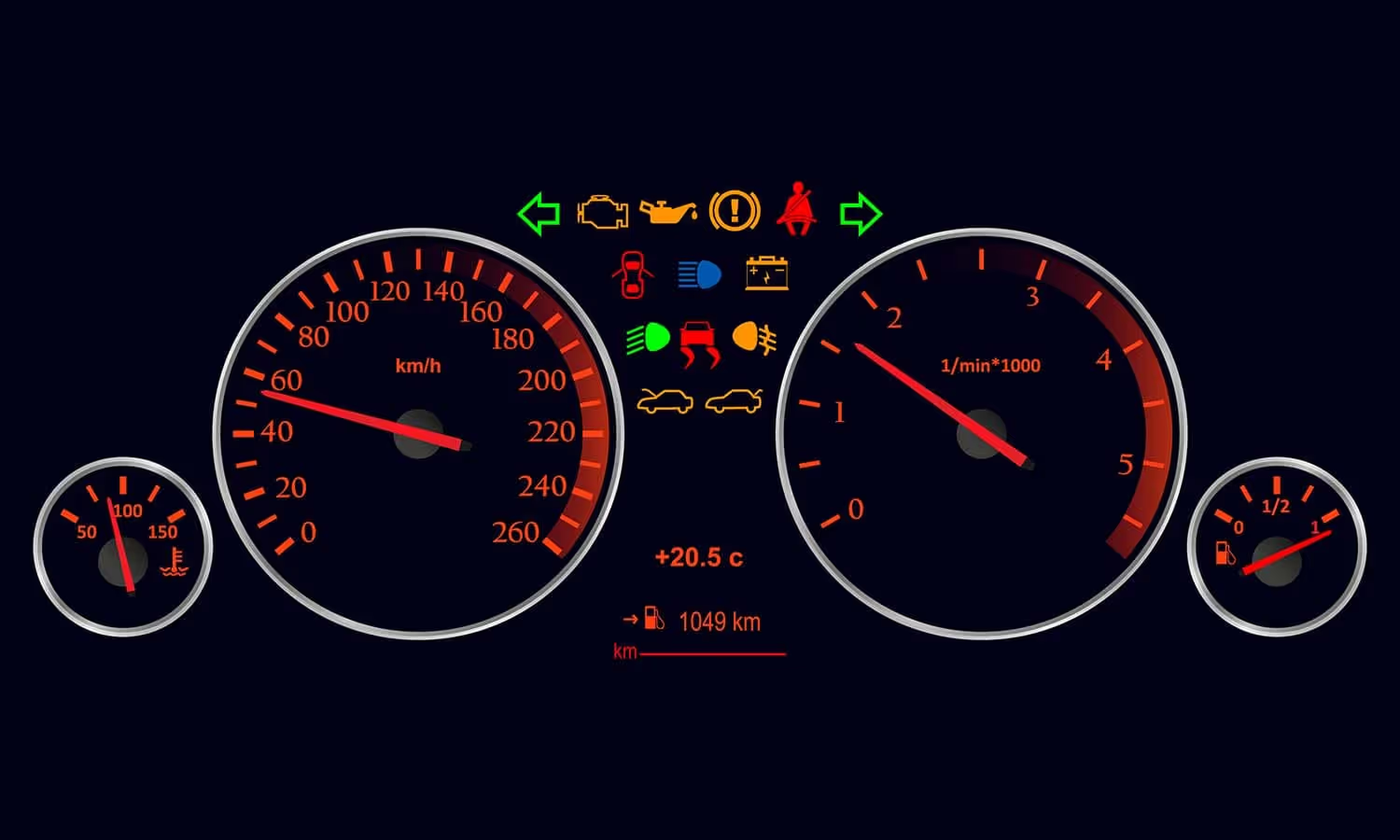
What happens when the engine starts producing more soot than the filter can handle? Regenerations become more frequent, the truck uses extra fuel, and exhaust restriction builds if the soot isn't cleared. Eventually, the computer limits power. By that point, the warning on the dashboard might say DPF, even though the trouble began at an injector or an EGR valve.
How Bad Fuel Injectors Overload the DPF
Diesel injectors deliver precisely timed sprays of fuel. A worn nozzle that dribbles or sprays poorly causes fuel to burn unevenly. Too much fuel for the available air produces extra soot, which travels straight to the DPF. The truck might start running rough, take longer to start, or lose some of its usual pulling power before a filter warning appears.
A leaking injector creates another concern. Raw fuel reaching the exhaust can produce excessive heat as it burns across the exhaust treatment equipment. That heat can crack or melt the DPF's ceramic interior. Fuel leaking into a cylinder can also dilute the engine oil, so a rising oil level needs checking before the truck goes back to work. More highway driving won't repair a leaking injector.
How a Sticking EGR Valve Changes Soot Production
The EGR valve sends a controlled amount of exhaust back into the intake to reduce nitrogen oxide emissions. If it sticks open when the engine needs more fresh air, combustion suffers, and soot production rises. Hesitation, rough idling, or weak acceleration can show up alongside repeated DPF warnings.
Does every EGR fault cause the same damage? No. A valve stuck closed behaves differently, and some faults prevent the truck from completing regeneration. We need to check valve movement and airflow to find out what's happening. Carbon packed around the valve also calls for a look at the cause of those deposits, including poor combustion or excess oil entering the intake.
DPF Warning Signs That Shouldn't Be Brushed Off
An occasional regeneration is normal. A change in the pattern gives us more to investigate, especially when it comes with any of these signs:
- Regenerations happening much closer together than usual
- A rough idle or a new diesel knock
- Higher fuel consumption on the same route
- Reduced power when driving uphill or towing
- An engine oil level that rises between services
- DPF warnings returning soon after a completed regeneration
Stop safely and shut down for an oil-pressure warning or a red stop-engine message. Follow the truck's instructions for other warnings. A heavily loaded filter or an engine that isn't burning fuel correctly needs checks before anyone tries another regeneration.
How We Check Injectors, EGR Operation, and DPF Pressure
Before clearing any codes, we read the stored faults and review the truck's regeneration history. Comparing pressure readings across the DPF helps us check exhaust restriction. We also check the pressure sensor and its small hoses, because a blocked hose or an inaccurate reading can change what the computer thinks is happening inside the filter.
Injector testing depends on the engine. We can compare cylinder contribution, check commands and actual fuel pressure, and measure injector return flow when that test fits the complaint. EGR testing includes commanding valve movement and watching the airflow response. Why replace a filter before checking what keeps filling it? These checks connect the engine's behavior with the soot load, so the repair addresses both.
When DPF Cleaning Helps and When Replacement Is Needed
A filter with an intact interior and removable deposits has different repair options from one with melted channels or cracks. Regeneration burns soot, but it leaves behind noncombustible ash that builds up over time. Ash removal requires a separate service following the engine manufacturer's procedure. A melted or cracked filter needs replacement, and fuel or oil contamination can rule out reuse too.
Once the engine fault is repaired, we check the filter's condition and follow the manufacturer's cleaning or replacement guidance. Keeping up with fuel filters and the correct diesel engine oil helps reduce contamination and ash buildup. Report rough running and changing regeneration patterns at the next service, even if the truck still finishes its route.
DPF and Diesel Engine Repair at California Coast Truck Repair
California Coast Truck Repair in Santee, CA, specializes in 2006 and newer diesel trucks, diesel RVs, and motorhomes. If DPF warnings keep coming back, we can check engine operation and exhaust restriction together. Bring any records of recent injector, EGR, or DPF work so we know what's already been repaired.
Let us know how often the truck regenerates when you schedule your diesel repair visit.